You don't need to hire a separate low-voltage contractor after your electrician finishes the power rough-in. Scotty Electric Co. installs complete voice, data, structured copper (Cat6 / Cat6A), and fiber optic cabling systems for offices, warehouses, retail spaces, shop buildings, and custom homes. Because we understand both high-voltage power distribution and TIA/NEC communications standards, we route pathways that are mechanically clean and free of electromagnetic interference (EMI).
Structured Copper Cabling (Cat6 / Cat6A), Racks & Patch Panels
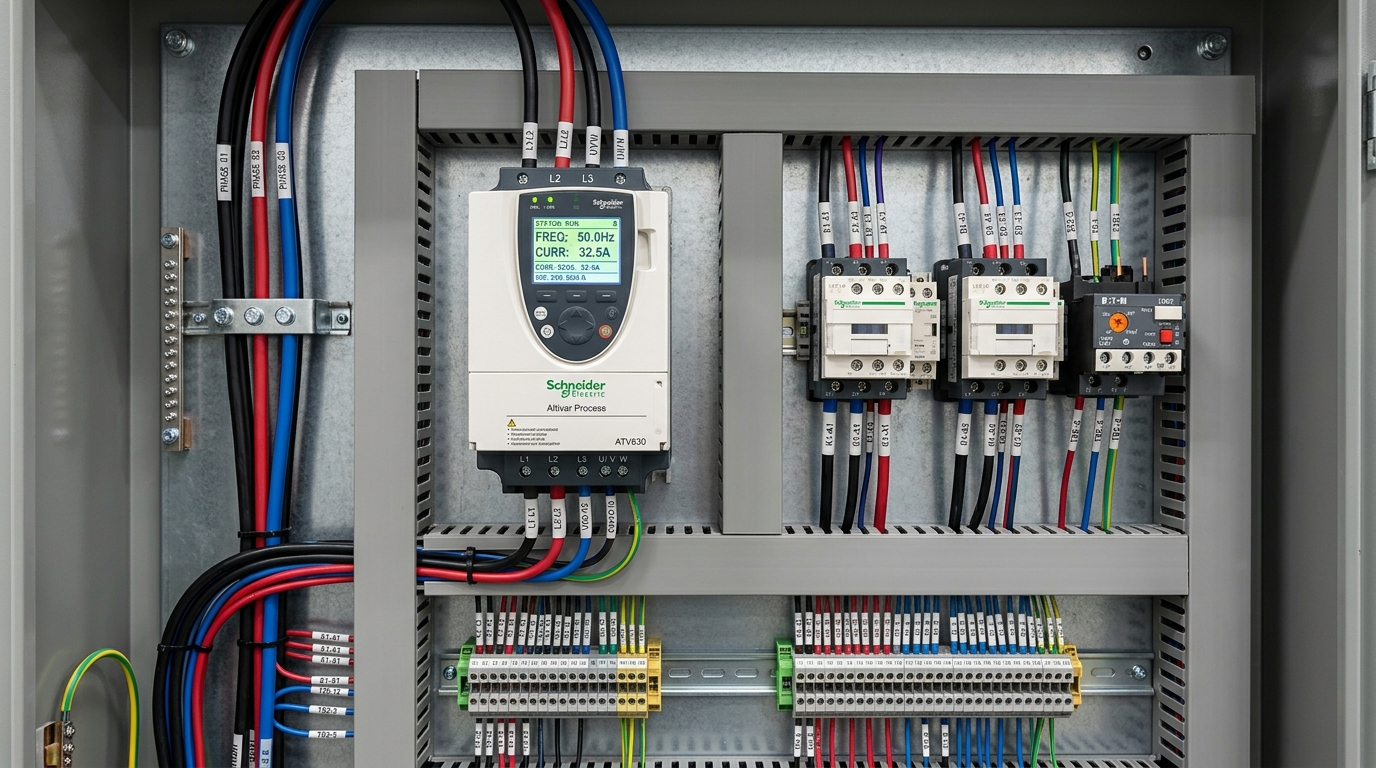 FIELD INSTALLATION EXAMPLE
High-speed PoE+ (Power over Ethernet) cameras, Wi-Fi 6/7 access points, VoIP phones, POS terminals, and workstation drops depend on 100% pure bare copper conductors—never cheap Copper-Clad Aluminum (CCA) wire that overheats under PoE loads and fails certification.
We pull, dress, terminate, test, and label structured copper runs into organized wall-mount or floor-standing equipment racks using J-hooks, bridal rings, or dedicated EMT conduit sleeves.
- 100% Pure Copper Cat6 & Cat6A Riser (CMR) and Plenum (CMP) cable pulls
- 24-Port & 48-Port Patch Panel termination, velcro cable dressing & port labeling
- Ceiling drops for commercial Wi-Fi Access Points and PoE IP Security Cameras
- Dedicated 120V/20A UPS power circuits and telecommunications grounding bars (TMGB)
Many low-bid installers pull cheap 'CCA' network cable. Not only does NEC Article 800 prohibit CCA in communications cables due to fire/heating risks on PoE (Power over Ethernet) runs, but aluminum cores snap at keystone jacks and drop packets. We install 100% solid bare copper UL-listed cable.
Fiber Optic Backbone Cabling: Single-Mode & Multi-Mode
When connecting an outbuilding, detached shop, or remote warehouse MDF/IDF closet beyond the 328-foot (100-meter) distance limit of copper Ethernet—or when running between buildings where lightning ground-potential differences can fry copper network switches—fiber optic cable is the gold standard.
We pull and terminate indoor/outdoor armored and conduit-grade Single-Mode (OS2) and Multi-Mode (OM3/OM4) fiber optic cables, complete with rack-mount or wall-mount LIU fiber patch enclosures.
 TECHNICAL SPECIFICATION
What We Find vs. How We Build It
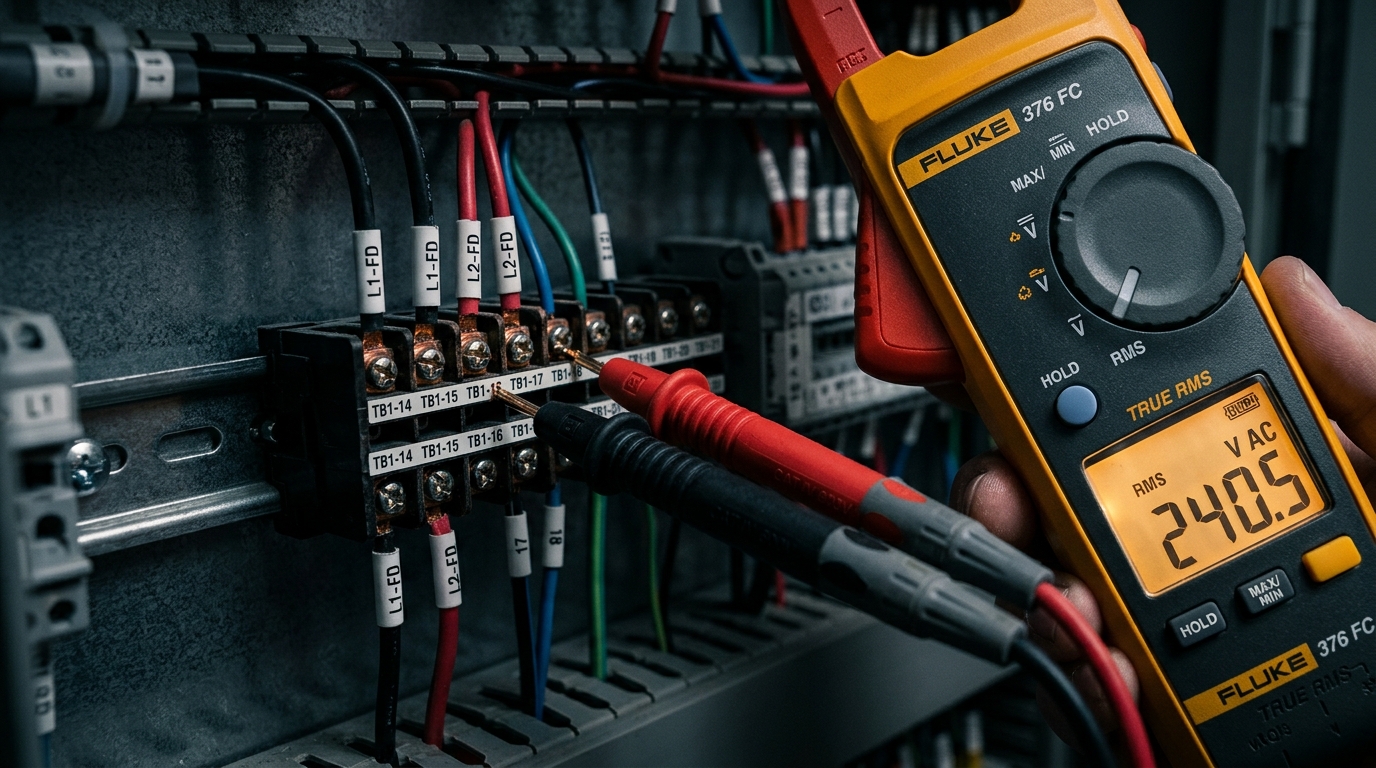

Why We Do It This Way — Voice, Data & Fiber Code Items
Low-voltage and fiber optic cables are still governed by strict National Electrical Code fire-rating, support, and separation rules:
Separation of Copper Data Conductors From Electric Power Wiring
Communications wires and cables cannot be placed in any raceway, compartment, outlet box, or junction box with electric light or power conductors (unless separated by a listed permanent barrier), and must maintain physical separation from parallel power cables.
Prevents 60Hz electromagnetic interference (crosstalk and packet loss) on your network lines and ensures 120V/277V power can never accidentally energize a network jack.
Plenum (CMP) vs. Riser (CMR) Fire Ratings & J-Hook Support
Data cables routed through commercial return-air ceiling plenums must carry a CMP (Communications Plenum) low-smoke fire rating. Furthermore, cables cannot be draped across ceiling tiles or strapped to electrical conduits—they must be supported by dedicated J-hooks or cable trays without crushing the cable jacket.
Passes commercial fire marshal inspections and preserves twist geometry inside Cat6/Cat6A cables for full gigabit/10-gigabit throughput.
Optical Fiber Cable Ratings & Conductive Armor Grounding
While nonconductive optical fiber cables (OFNP/OFNR) contain glass strands that are immune to lightning and EMI, conductive/armored fiber cables (OFCP/OFCR) containing metallic strength members or armor must have their metallic sheath properly bonded or grounded at the building entrance.
Allows safe high-speed fiber links between buildings and across noisy industrial environments without creating lightning loops.